
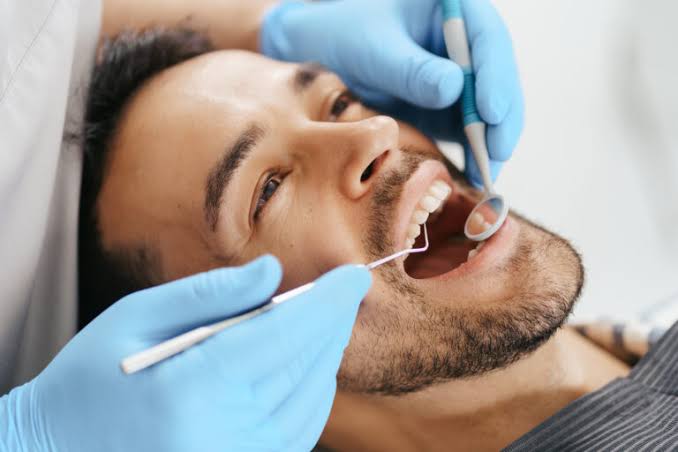
Understanding the Urgency of Dental Haemorrhage
Dental bleeding can transform from a minor inconvenience into a genuine emergency with alarming speed. When blood continues to flow from the mouth despite initial attempts to control it, panic often sets in alongside the crimson tide. The reality is that oral bleeding presents unique challenges that distinguish it from other types of haemorrhage, primarily due to the mouth’s complex anatomy, constant moisture, and the difficulty in maintaining pressure on affected areas. Seeking support from an emergency dentist Wakefield can be essential in such situations.
The oral cavity contains an extensive network of blood vessels, and certain areas—particularly around extracted teeth, the gums, and the tongue—are exceptionally vascular. When trauma occurs or a dental procedure goes awry, these vessels can prove stubbornly resistant to conventional clotting mechanisms. Understanding why bleeding persists is the first step towards implementing effective control measures.
Common Causes of Persistent Dental Bleeding
Several factors contribute to prolonged dental haemorrhage during emergency situations. Tooth extractions represent one of the most frequent culprits, especially when patients fail to follow post-operative instructions or when underlying health conditions interfere with normal healing. The socket left behind after extraction requires time to form a stable blood clot, and any disruption to this process can result in continued bleeding.
Trauma to the mouth from accidents, sports injuries, or falls frequently causes lacerations to the soft tissues, including the lips, cheeks, tongue, and gums. These injuries can be particularly troublesome because the constant movement of the mouth and the presence of saliva make it challenging for clots to form and remain stable. According to clinical guidance on managing dental haemorrhage, proper assessment and technique selection are crucial for successful outcomes.
Medical Conditions That Complicate Matters
Patients taking anticoagulant medications such as warfarin, aspirin, or newer direct oral anticoagulants face significantly higher risks of prolonged bleeding following dental procedures or injuries. These medications interfere with the body’s natural clotting cascade, making even minor dental bleeding potentially serious. Similarly, individuals with bleeding disorders such as haemophilia or von Willebrand disease require specialised approaches when dental emergencies arise.
Liver disease, kidney dysfunction, and certain cancers can also impair clotting function, whilst some individuals unknowingly have platelet disorders that only become apparent during a dental emergency. When faced with uncontrolled bleeding, seeking professional help from an emergency dentist becomes essential, particularly when home measures prove insufficient.
Proven Techniques for Controlling Dental Bleeding
The cornerstone of managing dental haemorrhage remains direct pressure applied correctly and consistently. Using a clean gauze pad or, in its absence, a dampened tea bag, firm pressure should be maintained over the bleeding site for a minimum of twenty minutes without interruption. The temptation to check whether bleeding has stopped often proves counterproductive, as premature removal prevents proper clot formation.
Tea bags offer a particularly effective solution due to the tannic acid they contain, which promotes vasoconstriction and accelerates clotting. The gauze or tea bag should be positioned directly over the wound, and the patient should bite down firmly to maintain consistent pressure. Sitting upright rather than lying down helps reduce blood flow to the head, whilst applying a cold compress to the outside of the face near the affected area causes blood vessels to constrict.
Advanced Haemostatic Measures
When simple pressure fails, haemostatic agents become invaluable tools in the emergency management of dental bleeding. Research has shown that various haemostatic materials demonstrate effectiveness in controlling oral haemorrhage. These agents, which include oxidised cellulose, gelatin sponges, and tranexamic acid, work through different mechanisms to promote rapid clot formation.
Professional intervention may involve suturing lacerations, cauterising bleeding vessels, or applying specialised dressings that conform to irregular wound surfaces. Dental professionals can also identify and address underlying causes such as sharp bone edges at extraction sites or inadequate socket management. The diagnosis and treatment protocols for dental bleeding provide comprehensive frameworks for healthcare providers managing these emergencies.
When Professional Intervention Becomes Necessary
Certain warning signs indicate that home management has reached its limits and professional care is required. Bleeding that continues beyond two hours despite appropriate pressure application warrants immediate attention. Similarly, bleeding accompanied by difficulty breathing or swallowing, signs of significant blood loss such as dizziness or weakness, or bleeding following trauma that may have caused fractures requires urgent evaluation by an emergency dentist or hospital emergency department.
Patients on anticoagulation therapy should maintain particularly low thresholds for seeking professional help, as their bleeding may require medication adjustments or reversal agents. Ultimately, understanding both the mechanisms behind persistent dental bleeding and the hierarchy of treatment approaches empowers individuals to respond effectively during these stressful situations whilst recognising when expert intervention becomes indispensable.

