
Exploring the Role of Synesthetic Experiences in Dental SEO

Understanding the Sensory Landscape of Modern Dentistry

The world of dentistry has evolved far beyond the traditional realm of drills and white coats, embracing a more holistic approach that acknowledges the profound sensory experiences patients encounter during their visits. Synesthesia, the neurological phenomenon where stimulation of one sensory pathway leads to automatic, involuntary experiences in another, offers fascinating insights into how dental practices can enhance their digital presence through more thoughtful and empathetic marketing strategies and also boost dental SEO.

When considering the patient journey, dental professionals increasingly recognise that successful online marketing must address the complex sensory associations people have with dental care. The sound of a drill might trigger visual memories of sterile environments, whilst the scent of antiseptic could evoke tactile sensations of anxiety. These cross-sensory connections present unique opportunities for practices to develop more sophisticated approaches to their digital marketing efforts.

The Science Behind Sensory Marketing in Healthcare

Research into synesthetic experiences reveals that approximately 4% of the population experiences some form of synesthesia, yet virtually everyone possesses cross-sensory associations that influence their decision-making processes. For dental practices, understanding these connections becomes particularly relevant when developing content strategies that resonate with potential patients on multiple sensory levels.

The integration of sensory psychology into SEO strategies represents a sophisticated evolution in healthcare marketing. Rather than relying solely on traditional keyword optimisation and technical SEO elements, forward-thinking practices are beginning to incorporate language and imagery that acknowledge the full spectrum of patient experiences, including those uncomfortable sensory memories that might prevent individuals from seeking necessary treatment.

Transforming Negative Associations Through Digital Storytelling

Creating Positive Sensory Narratives

Successful dental practices understand that their online presence must address the elephant in the room: dental anxiety. By acknowledging and thoughtfully addressing the sensory triggers that contribute to patient apprehension, practices can create more compelling and reassuring digital content. This approach involves crafting website copy, blog posts, and social media content that transforms potentially negative sensory associations into positive ones.

The methodology involves several key strategies:

  • Developing content that emphasises comfort and relaxation rather than clinical procedures
  • Incorporating testimonials that focus on positive sensory experiences during treatment
  • Creating virtual tours that showcase calming environments and modern, quieter equipment
  • Utilising imagery that evokes feelings of cleanliness and professionalism without appearing sterile or intimidating

Leveraging Multi-Sensory Content Creation

Contemporary content creation for dental practices extends beyond simple text and static images. Video content that demonstrates the gentle nature of modern procedures, audio testimonials that convey genuine satisfaction, and detailed descriptions of comfortable treatment environments all contribute to a more comprehensive sensory experience for potential patients browsing online.

This multi-dimensional approach to content creation acknowledges that potential patients are processing information through various sensory filters, even when engaging with digital content. The strategic implementation of these techniques requires careful consideration of how different sensory descriptions might resonate with diverse audience segments, particularly those who may have developed negative associations with dental environments.

Implementing Synesthetic Principles in Practice Marketing

Website Optimisation Through Sensory Awareness

The practical application of synesthetic principles in dental SEO extends to every aspect of a practice’s online presence. Website colour schemes, typography choices, and layout decisions all contribute to the overall sensory experience users encounter when researching dental services. Practices that successfully integrate these concepts often report improved engagement metrics and higher conversion rates from their digital marketing efforts.

Modern dental practices are increasingly recognising the importance of addressing sensory concerns through their online content. Research into patient anxiety and sensory triggers provides valuable insights that can inform content strategy development. By incorporating findings from such studies, practices can develop more empathetic and effective digital marketing approaches.

Community Engagement and Social Proof

The role of community engagement in building trust cannot be overstated when addressing sensory concerns related to dental care. Professional discussions about patient comfort and anxiety management within dental communities provide valuable insights that can be translated into more effective patient communication strategies.

Social proof becomes particularly powerful when it addresses specific sensory concerns. Patient testimonials that describe comfortable experiences, pain-free procedures, and pleasant office environments help counteract negative preconceptions that might prevent individuals from seeking necessary dental care.

Future Directions for Sensory-Informed Digital Marketing

The integration of synesthetic principles into dental SEO represents an evolving field that promises continued innovation. Advanced techniques for incorporating sensory awareness into digital marketing strategies continue to emerge as practitioners and marketing professionals collaborate to develop more sophisticated approaches to patient engagement.

As the dental industry continues to embrace patient-centred care models, the role of sensory awareness in digital marketing will likely expand. Practices that invest in understanding and addressing the complex sensory associations their patients bring to dental experiences will find themselves better positioned to build trust, reduce anxiety, and ultimately provide more effective care through improved patient engagement and communication strategies.
The Link Between Orthodontics and Improved Athletic Performance

Understanding the Athletic Edge

In the competitive world of sports, athletes are constantly seeking ways to enhance their performance. Whilst many focus on traditional training methods and nutrition, a lesser-known factor that can significantly impact athletic achievement lies in proper dental alignment. Athletes who visit an orthodontist London often discover that correcting dental misalignment can lead to remarkable improvements in their sporting capabilities.

The Science Behind Dental Alignment and Physical Performance

Breathing and Oxygen Optimisation

Research on dental alignment and athletic performance has shown that proper teeth alignment can significantly improve breathing efficiency. When teeth are correctly positioned, airways become more open, allowing for optimal oxygen intake during physical activity. This enhanced breathing capability is particularly crucial for:

  • Endurance athletes requiring sustained oxygen delivery
  • High-intensity sports participants needing quick oxygen recovery
  • Team sports players maintaining peak performance throughout matches

Balance and Posture Enhancement

Dental misalignment can affect the entire body’s structural balance. Many athletes who seek treatment from an orthodontist report improved posture and balance after corrective treatment. This improvement stems from the intricate connection between jaw alignment and the body’s musculoskeletal system.

Performance Benefits of Orthodontic Treatment

Studies examining orthodontic treatment in athletes have identified several key performance advantages:

  1. Enhanced concentration due to reduced dental discomfort
  2. Improved sleep quality leading to better recovery
  3. Decreased risk of dental trauma during contact sports
  4. Better bite alignment resulting in improved strength distribution

Professional athletes particularly benefit from these improvements, as even marginal enhancements can make a significant difference in competitive situations. The relationship between proper dental alignment and athletic performance continues to be an area of growing interest in sports medicine.

Protecting Orthodontic Work During Sports

For athletes undergoing orthodontic treatment, proper protection becomes essential for both their dental work and sporting success. Protective measures for athletes with braces include specialised mouthguards and careful attention to impact prevention during training and competition.

Customised Solutions for Different Sports

Different sporting disciplines require varying levels of protection and orthodontic consideration. Athletes in contact sports such as rugby or boxing need robust protective measures, whilst those in non-contact sports may require less intensive safeguarding. An orthodontist can provide tailored advice based on specific sporting requirements.

Long-term Benefits for an Athletic Career

The advantages of orthodontic treatment extend beyond immediate performance enhancement. Athletes who invest in proper dental alignment often experience:

  • A reduced likelihood of future dental complications
  • Enhanced facial symmetry and profile
  • Improved overall oral health maintenance
  • Greater confidence in professional settings

These benefits contribute to a more sustainable athletic career and better overall health outcomes.

The Future of Sports Performance

As sports science continues to evolve, the role of dental alignment in athletic performance becomes increasingly recognised. Modern orthodontic techniques offer more efficient and less intrusive treatment options, making it easier for athletes to maintain their training schedules while improving their dental alignment. The integration of orthodontic care into athletic training programmes represents a holistic approach to performance enhancement. This comprehensive strategy acknowledges that peak athletic achievement requires attention to every aspect of physical well-being, including dental health.

Maximising Athletic Potential

The connection between orthodontics and athletic performance highlights the importance of considering dental alignment as part of an athlete’s overall training regime. Whether competing at an amateur or professional level, athletes who prioritise their dental alignment often find themselves better equipped to achieve their sporting goals. For those seeking to optimise their athletic performance, consulting with dental professionals about orthodontic treatment could prove to be a valuable step toward reaching their full potential. The evidence suggests that proper dental alignment can contribute significantly to an athlete’s success, making it an important consideration for anyone serious about their sporting career.

Understanding the Healing Process with Dental Implants

The Journey to a New Smile

For those considering dental implants Navan solutions, understanding the healing process is crucial for setting realistic expectations and ensuring optimal recovery. The journey towards a restored smile through oral implants represents a significant advancement in modern dentistry, offering a permanent solution for missing teeth that closely mimics natural dental structures.

Initial Healing Phase

The First Week Post-Surgery

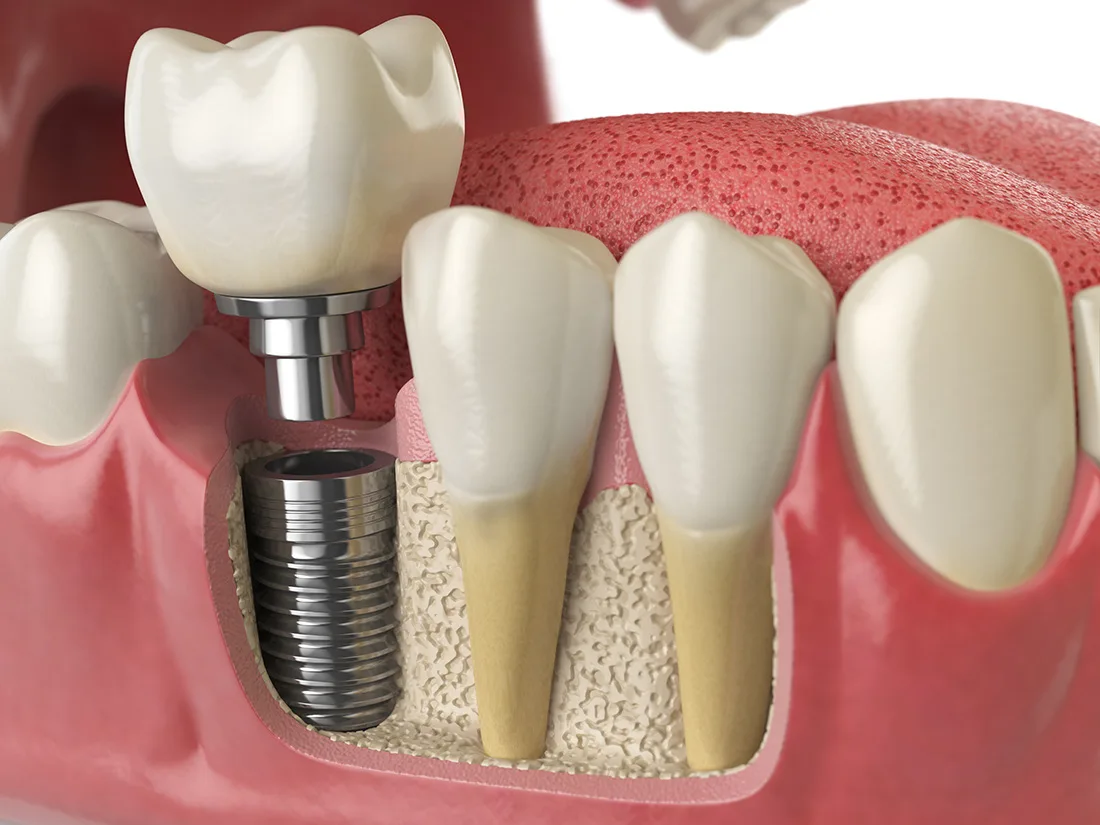
The healing journey begins immediately after dental implant surgery, a procedure that requires careful attention during recovery. During the first week, patients typically experience mild discomfort and swelling, which are normal responses to the surgical procedure. The body initiates its natural healing mechanisms, beginning the crucial process of osseointegration, where the implant begins to fuse with the surrounding bone tissue.

Managing Post-Operative Care

Proper post-operative care plays a vital role in the success of oral implants. Patients should follow these essential guidelines:

  • Maintain meticulous oral hygiene whilst being gentle around the surgical site
  • Follow prescribed medication schedules precisely
  • Avoid strenuous physical activities for the first few days
  • Stick to soft foods and avoid extremely hot or cold temperatures

The Osseointegration Period

The critical phase of osseointegration typically spans several months, during which the implant gradually becomes one with the jawbone. This biological process requires patience and careful monitoring, as it forms the foundation for long-term implant success. The integration period varies among patients, influenced by factors such as:

  • Overall health status
  • Bone density and quality
  • Adherence to post-operative care instructions
  • Location of the implant within the jaw

During this time, temporary restorations may be provided to maintain aesthetics and basic functionality, whilst ensuring the implant site remains protected. Regular check-ups allow dental professionals to monitor the healing progress and make any necessary adjustments to the treatment plan.

Soft Tissue Management

The management of soft tissue around oral implants plays a crucial role in both the aesthetic outcome and long-term success of the treatment. The gum tissue must heal properly to create a natural-looking emergence profile, which is essential for achieving a seamless blend between the implant crown and surrounding natural teeth.

Gum Tissue Development

During the healing process, the gum tissue gradually adapts to the presence of the implant components. The formation of healthy gum tissue around oral implants requires careful monitoring and precise tissue management to ensure optimal results. This phase typically involves:

  • Formation of a protective seal around the implant
  • Development of proper gum contours
  • Establishment of adequate tissue thickness

Final Restoration Phase

Once the implant has fully integrated with the bone and the surrounding soft tissue has healed appropriately, the final restoration phase can begin. This stage involves placing the permanent crown, bridge, or denture onto the implant. The restoration is carefully crafted to match the colour, shape, and size of the natural teeth, ensuring a harmonious smile.

Long-term Care and Maintenance

Maintaining oral implants requires ongoing care and attention. Proper maintenance includes:

  • Regular professional cleanings and check-ups
  • Daily thorough oral hygiene practices
  • Use of appropriate cleaning tools and techniques
  • Immediate attention to any concerns or changes

Moving Forward with Confidence

The healing process for oral implants represents a journey that requires patience, commitment, and proper care. While the timeline may vary for each individual, the end result of successful oral implants can provide a lifetime of confident smiling, comfortable eating, and improved oral health. With proper understanding of the healing stages and dedication to following post-operative instructions, patients seeking oral implants Navan solutions can look forward to achieving their desired results. The investment in oral implants goes beyond mere aesthetic enhancement; it represents a commitment to long-term oral health and functionality. By understanding and respecting the healing process, patients can ensure the best possible outcome for their oral implant treatment, leading to years of comfortable and reliable use of their new teeth.